“All the world’s a stage, and all the men and women merely players: they have their exits and their entrances; and one man in his time plays many parts, his acts being seven ages” – William Shakespeare
The reality is we all have different masks that we put on depending on where who we are with, what we are doing, to accommodate the situation, to blend in, to revolt, fight or flight, etc. Amidst that, we all go through stages of maturity and life is a stage to portray these maturing characters from one stage to another.
The above quote is from William Shakespeare’s As You Like It monologue about the Seven Ages of Man.
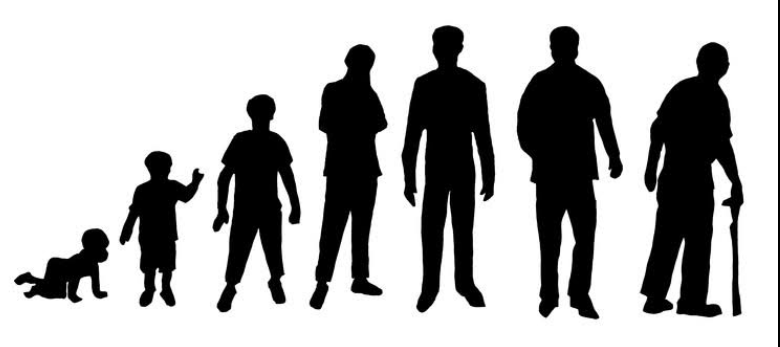
According to William Shakespeare’s character Jaques Wo/men go through seven stages in their lives:
- Infancy.
- Schoolboy/girl.
- Teenager.
- Youth.
- Middle Age.
- Old age.
- Death.
Let us explore this stages in detail.
Stage 1: Infancy
This is the stage of helplessness because an infant/toddler your survival depends on your caretakers. During this stage it is your introduction to the living realm, everything is new from smelling, touching, hearing, tasting, seeing, and awareness. As a baby, you spent most of the time crying, as a means of communication and attention seeking. Roughly it is a period of the age 0-7 years of age.
Stage 2: Schoolboy/girl
The carefree days of infancy are over, and schooling brings a new meaning to the life of a child. Schooling introduces to the child a world of routine, discipline, and order. This is the stage filled with rebellion, complaints, and whining because the child is not accustomed to doing things by her/himself, s/he is used be around cate-givers 24/7 hours. With modern schooling, it has become easier with the blended in-person classroom and online-classroom schooling which makes schooling more tolerable.
Stage3: Teenager
This is the stage where the schoolboy/girl reaches puberty. Teenagers during Shakespeare’s era were used to social etiquette of respecting elders and displaying lady-like etiquette and gentlemen’s behaviours. However modern teenagers are heavily influenced by technology, online social medias and fashion. They are no longer observable of their social etiquette. They are more individual-centric and independent than those in Shakespeare’s time this is maybe because information is readily available in the palm of their hand and that they are techno-savvy. Contrary to medival days, relationships were nurtured towards matrimony as opposed today’s generation where relationships are fashionable. Nowadays, marriage is not necessarily the goal of every romantic affiliation, there is more sexual expression and less adherence to social structures such as monogamy.
Stage 4: Youth
Without politicizing the message, the youth in political spaces are good examples of what Youth is about. They are organized, rebellious, challenge the status quo, fierce, wild, and assertive about their rights. The youth of today have zeal and rebellion. They are involved in social causes as opposed to voluntarily joining military services. With social media platforms and the global reach of mass media, the young can reach the voice and voiceless at the corners of the world, and a widespread reaction is almost instantaneous because of the global reach. Tiktok, Facebook, and Twitter have made this instantly possible.
Stage 5: Middle Age
This is the age when men and women settle down, and kids, families, and careers take priority over personal indulgences. It is the age that brings wisdom, focus, and a sense of peaceful acceptance of the realities of life. Practical considerations become important over idealistic values and ambitions. Today’s middle-aged women have more rights and opportunities than medieval middle-aged women. She can compete in corporate, in business and provide for her family. For the middle-aged man, the switch has brought a sense of displacement in his household. His definition of being a man has evolved.
Stage 6: Old Age
Depending on the social or economic class of the person, old age could be undesirable, harsh, or at best. This age of reflection of ones characters from infancy to Middle age. It is a period where you are respected of your decision you made in life and the wisdom you in part or disrespected because of the life you led. In modern days, life is alive and vibrant for a 40-year-old.
Many senior-aged people (starting in their 70s) in the modern era are still actively involved in social activities, secondary occupations, or hobbies. Most have good retirement plans and financial vehicles are available to make old age comfortable. It is not so uncommon for a healthy and young-at-heart senior citizen to go on a trip around the world, enjoy farming and gardening, or even work as a freelance.
Stage 7: Death
This is the age where the old age person inversely becomes an infant (infancy stage). What Shakespeare talks about in this stage of man is an extreme form of aging. Where a person is no longer able to perform basic tasks such as bathing, eating, and going to the toilet and requires continuous assistance. Physical frailty and incapacity no longer allow them the freedom to live unassisted. Senior citizen reaches a point where they require caregivers for assistance in his/her everyday living until they die. This should remind us of the multiples of nine (9) where 9 years inversely becomes 90 years.
Conclusion
We are all actors and players on the stage of life. Each 7 stage molds our characters to outshine our performance. Let us reflect with glimmering smiles when we are on our final stage and reflect on the outstanding performance we played with no regrets. Taker Care!